Yoga for Perimenopause and Menopause
Nicole Nattrass | SEP 6, 2023
Not only does a Yoga Practice provide a variety of general health benefits as you age, it may also help ease the symptoms of Perimenopause and Menopause. You may be experiencing hot flushes, night sweats, difficulty sleeping, moodiness, bloating, anxiety, or even forgetfulness - the horrible brain fog!
Yoga can certainly be part of a strategy to help you cope with the symptoms that you may be facing.
You don’t officially enter menopause until you’ve missed your period for over a year.
Perimenopause means "around menopause" and refers to the time during which your body makes the natural transition to menopause, marking the end of the reproductive years. Perimenopause is also called the menopausal transition.
Women start perimenopause at different ages. You may notice signs of progression toward menopause, such as menstrual irregularity, sometime in your 40s. But some women notice changes as early as their mid-30s.
The level of estrogen — the main female hormone — in your body rises and falls unevenly during perimenopause. Your menstrual cycles may lengthen or shorten, and you may begin having menstrual cycles in which your ovaries don't release an egg (ovulate).
You may also experience menopause-like symptoms.
'The Mayo Clinic'
These Cooling yoga poses are included in my Slow Flow Classes and may assist in your strategy to ease the many symptoms of Peri & Menopause.
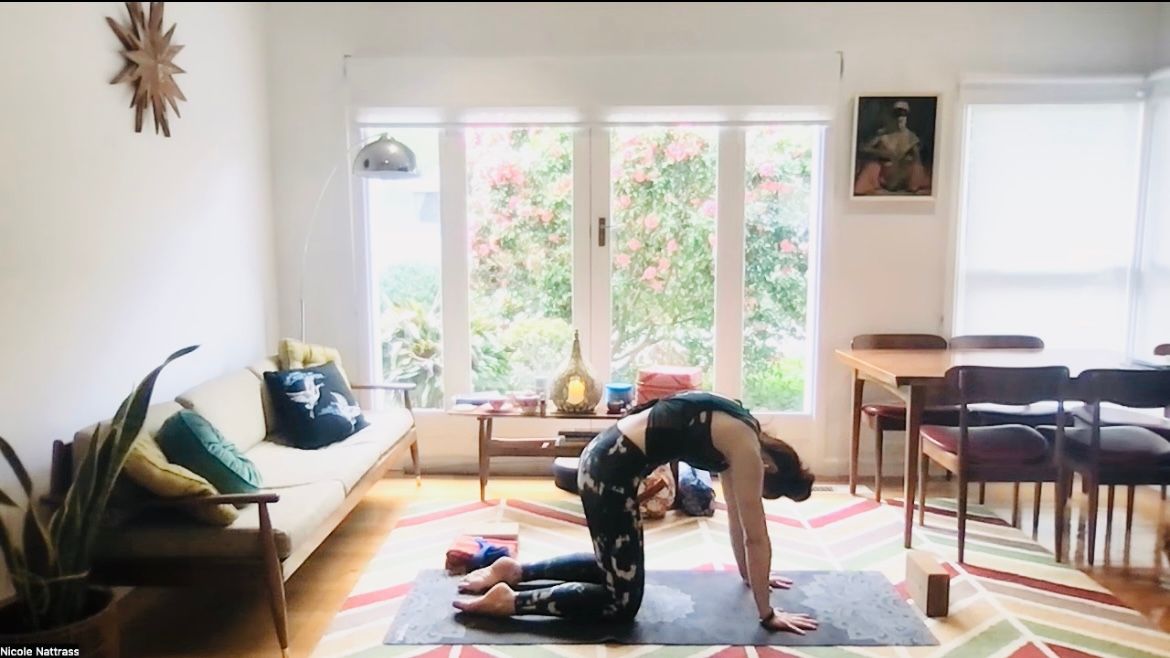
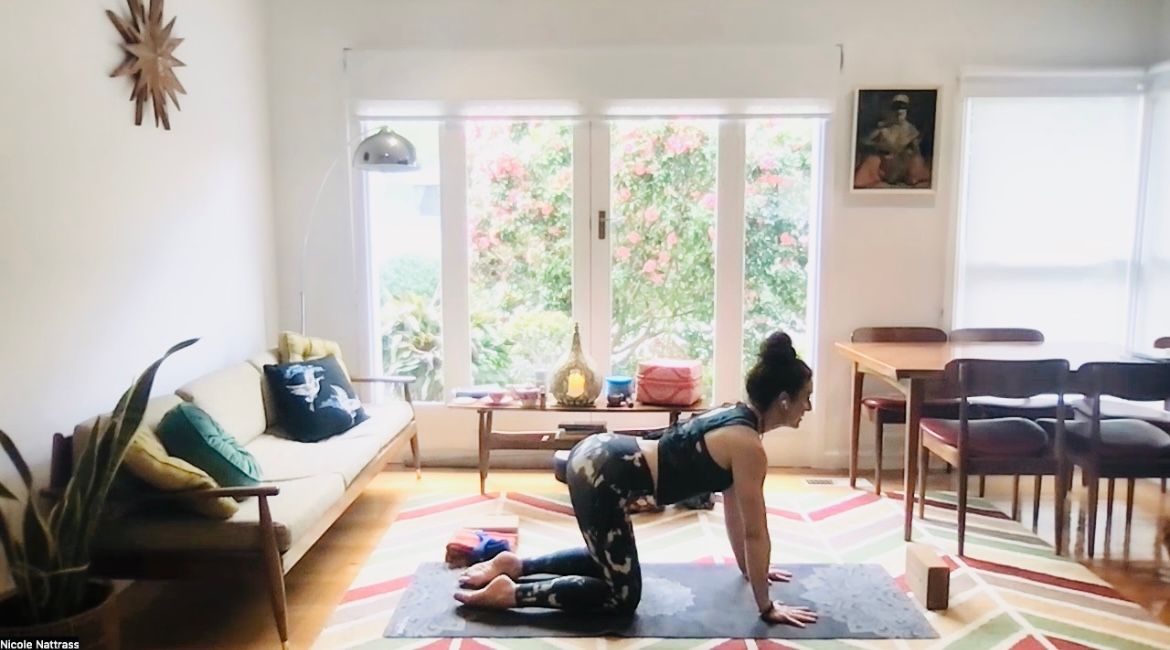
CAT/COW - Bitilasana Marjaryasana
Cat-Cow Pose is a gentle flow sometimes also practiced as a simple restorative pose and is one of the most popular poses. It’s a balancing pose and helps in strengthening the arms, legs and core muscles. It also stretches the back, torso, and neck and softly stimulates and strengthens the abdominal organs. It gently opens the chest, encouraging the breath to become slow and deep. The spinal movement of the two poses stimulates the kidney and adrenal glands. Coordinating this movement with breathing relieves stress and calms the mind. This flow also helps to develop postural awareness and balance throughout the body. It brings the spine into correct alignment and can help prevent back pain when practiced regularly. Cat Cow Pose opens and balances all the chakras, bringing with it all the benefits of working on each chakra. It helps clear energy blockages and strengthens the nervous system to help handle stress. This pose is energizing and releases negativity. Tummee
Flow between the 2 poses as many times as needed.
Try something different by flowing in circles with the ribs, then make circles in the opposite direction.
LOW LUNGE - Anjaneyasana
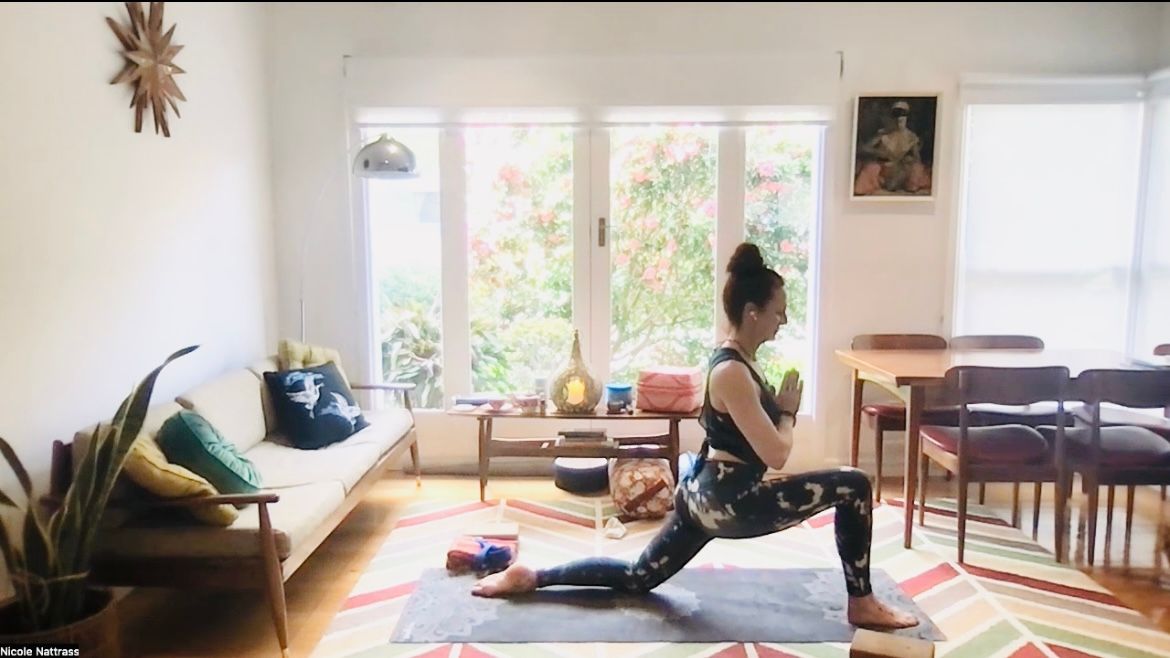
This kneeling hip opener and a heart opener pose is sometimes also known as the Crescent Moon Pose because of how the body looks - the back of the body looks like a crescent or moon in its final position. *Option to keep hands at heart centre.
This pose is performed by stretching one leg behind and placing the other one in front with the knee bent and the foot on the floor. The arms are raised up with palms joined in Namaskar Mudra while expanding the chest and stretching the neck. This yoga pose is also called Low Lunge Pose as the shin and knees are resting on the floor. Tummee
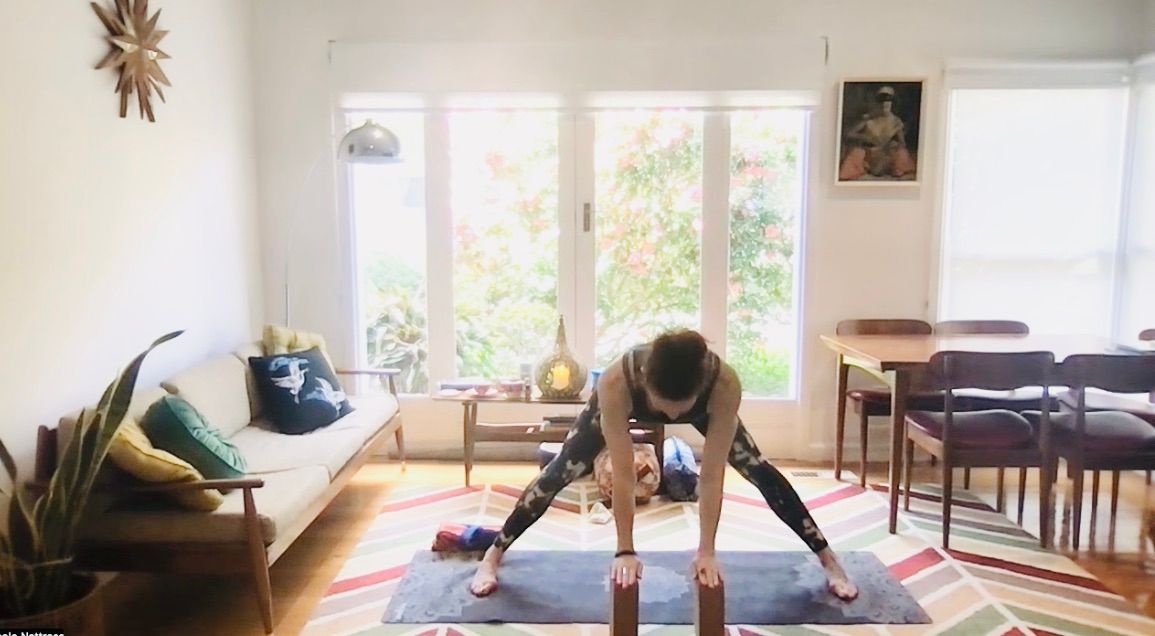
WIDE FORWAD FOLD - Prasarita Padottanasana
Intense Leg Stretch Pose
*Option to use blocks.
1.Legs:wide, knee caps lifted, facing front, thighs pulled up
Feet and Toes:grounded, parallel, toes active, pointed in front
2.Hips:external rotation, forward bend
Sit bones:lifted upwards
3.Shoulders:engaged, away from ears, in line with hips (below)
4.Chest and Rib Cage:broad, lifted upwards
5.Head:on floor, aligned to shoulders, in line with hands and feet
Neck:long, active
6.Arms:engaged, elbows pointing behind, in line with hips
Palms and Fingers:grounded, wide, active, pointed in front
7.Spine:lengthening, pushing hips up
Back and Front:broad, pushing upwards
8.Muscles:core, hip flexors, pelvic floor, gluteus, hamstrings, quadriceps
Navel:engaged, pulled in, to support lower back
9.Gaze:point behind
Breath:exhale deep for a forward bend
Tummee
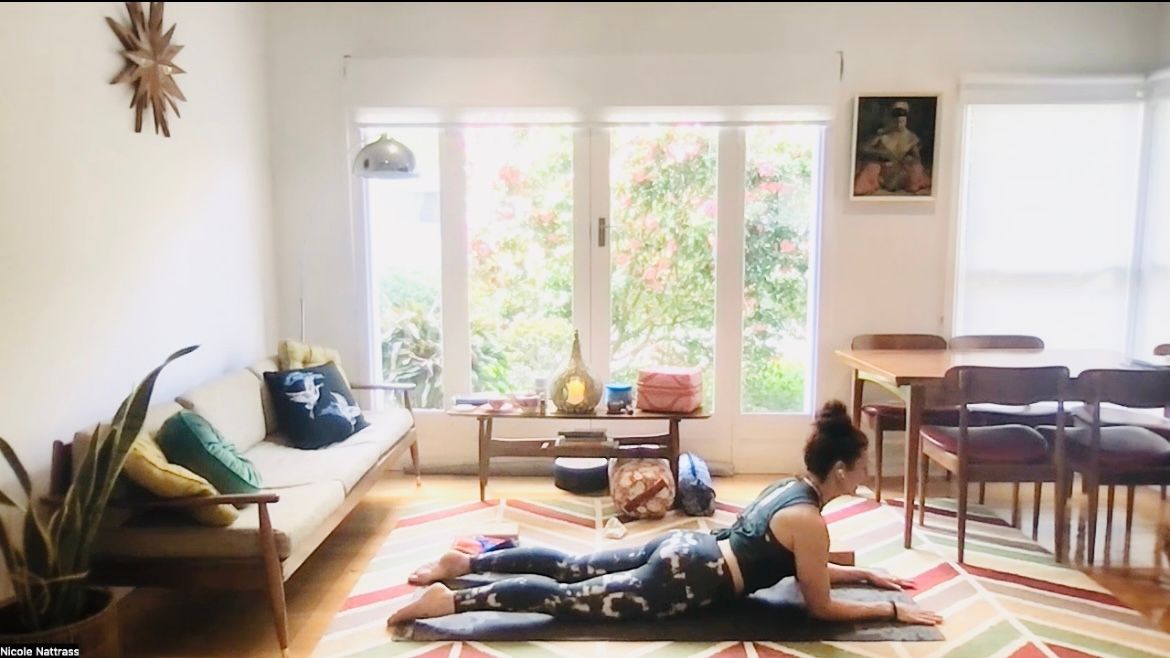
SPHINX POSE - Salamba Bhujangasana
*option to Take feet further apart and elbows further forward if any discomfort in lower back.
1.Hips:front grounded, internal rotation
2.Legs:parallel, long, active knees
Feet:active foot arch, big toes together
3.Arms:bent, strong, parallel, palms down, fingers wide
Elbows:shoulder width, active, squeeze towards each other
4.Shoulders:rolled back, away from ears, scapula together
5.Spine:lifted from base, gentle backbend
6.Chest:active and broad, lifted upwards, gentle backbend
7.Head:dropping back a bit
Chin:away from chest
8.Muscles:gluteus, hip flexors, pelvic floor, core, triceps, biceps
Navel:pulled in
9.Gaze:a bit above
Breath:inhale deep for backbend
Tummee
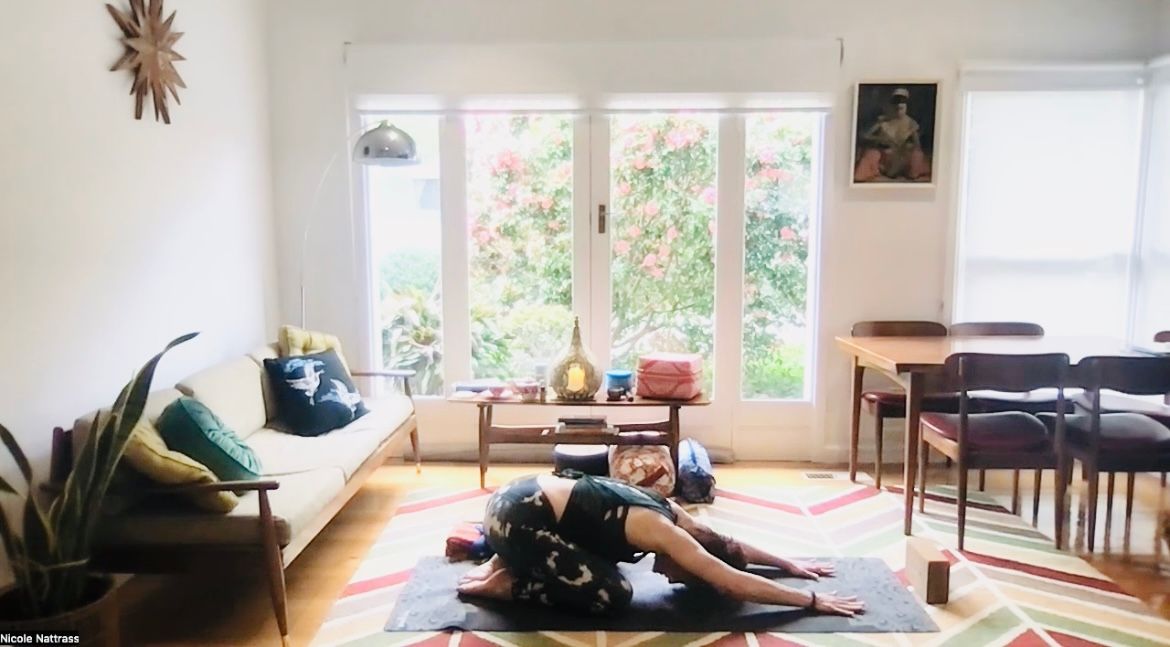
WIDE CHILDS POSE - Utthita Balasana
*bend elbows if any discomfort in shoulders and place cushion under your forehead.
This restorative pose is the most calming one with the wide expansion of the thighs on the floor, bringing the face down which is also considered as the fetal position. This pose is a cooling pose, It regulates the heartbeat and the breath. In this pose, there is an extension of the arms and shoulders. The sides of the abdomen touch the inside of the upper thighs and the student sinks into the restful pose. Stay for 3-5 mins
Tummee
Your body is in the middle of a huge transition, but like everything in life, it will pass.
Join one of my Slow Flow Yoga Classes on Demand. All are perfect for relieving the symptoms of Perimenopause and Menopause.
Love and Light, Nicole xx
Nicole Nattrass | SEP 6, 2023
Share this blog post
